
The Caves of Nerja, also known as Cueva de Nerja, are the main attraction Nerja is famous for, rivaled only by the Balcón de Europa. The Caves of Nerja are located above the neighboring village of Maro, which belongs to the municipality of Nerja, and have a very exciting history. Explore the Caves of Nerja and discover the fascinating combination of God's creation and a wonderful history awaiting beneath the earth's surface.
History of the Caves of Nerja
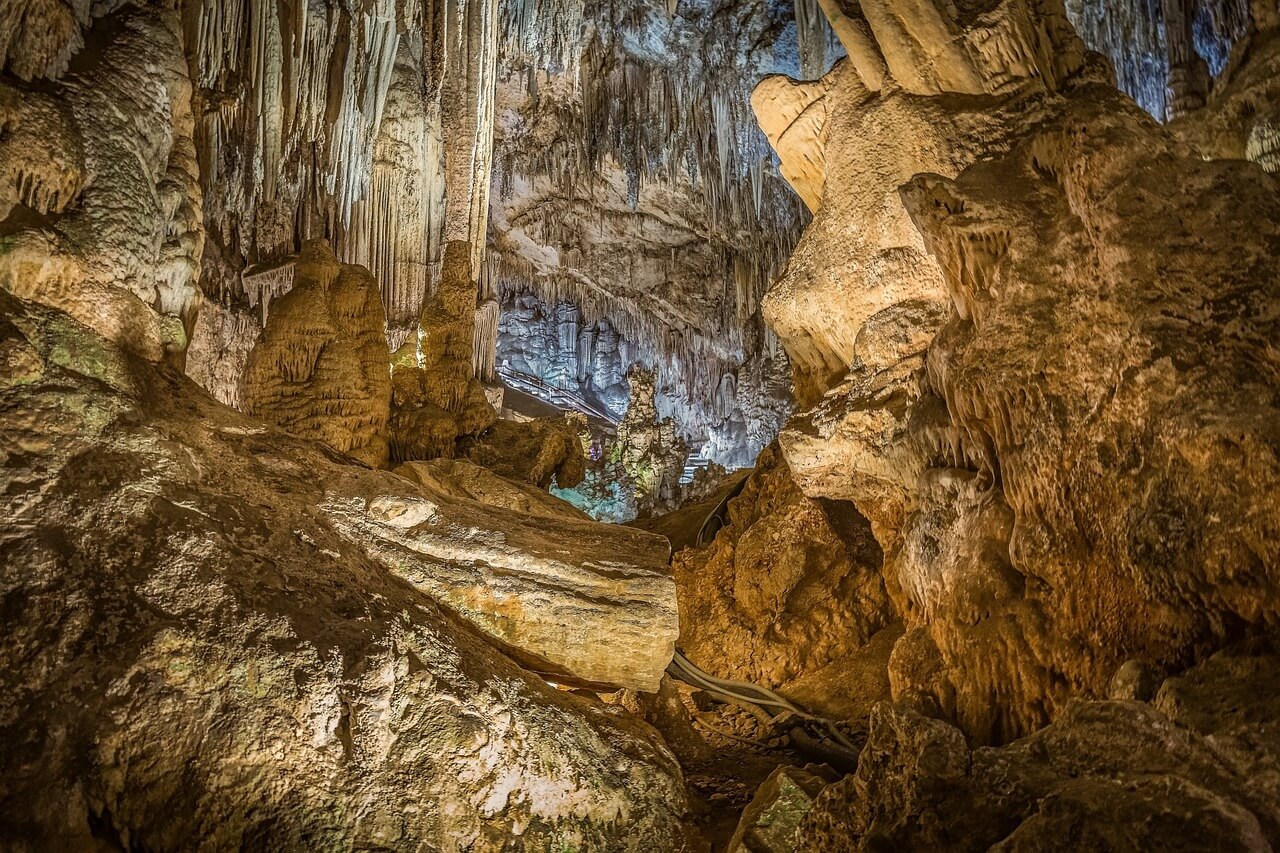
The Caves of Nerja are undoubtedly one of God's most spectacular creations. These fantastic caves constitute an impressive cave system with enormous chambers and impressive stalactite and stalagmite formations, some reaching a height of up to 34 meters. With a length of almost 5 kilometers, this cave system is a fascinating labyrinth of underground passages and chambers that attracts visitors from near and far. The natural beauty of the Caves of Nerja remains outstanding, but it is not only their size that impresses. This amazing place also holds a rich historical heritage. Formed millions of years ago, the caves have served as home to human communities over the years. Archaeological finds, such as skeletons and cave paintings, testify to the presence of humans from as early as approximately 25,000 BCE, and up to the Bronze Age.
The Caves of Nerja: An Epic Discovery by Five Young Men
The story of the Caves of Nerja begins with an epic discovery in 1959 by five young boys from Maro. Their curiosity and adventurous spirit led them to the entrance of what turned out to be a prehistoric wonder hidden underground. This discovery opened the doors to a world filled with cave paintings, skeletons, and ancient artifacts. It was on January 11, 1959, when the five young boys; Miguel Munoz Zorilla, Manuel Munoz Zorilla, Francisco Navas Montesino, Jose Luis Barbero de Miguel, and Jose Torres Cardenas, from the small village of Maro near Nerja first discovered the entrance to the caves. Miguel Muñoz Zorilla, who was 14 at the time, recounts that everyone in Maro knew there were underground passages up in the mountains. Miguel, Manuel, Francisco, and their friends were sent there by their mothers to collect firewood. They also came to hunt the thousands of bats that appeared at dusk. But perhaps the greatest motivation was entirely different: to find the treasure that, according to rumors, the Moors (i.e., the Muslims) had left behind and hidden when they fled the country at the end of the 15th century after almost 800 years on the Iberian Peninsula. They discovered a hole with bats. Since an enormous number of bats came out of the hole, they understood that there must be a larger space further inside. However, the entrance was covered by stalactites and stalagmites. With tools and courage, the boys returned to the hole the following day, January 12, 1959, and after they had chipped away the stalactites and stalagmites, they were met with an incredible sight: an enormous cave landscape bursting with history and mystery. The boys, now retirees, describe it as stepping into a fairy tale from One Thousand and One Nights when they discovered and entered the caves. Despite their fears, they explored the caves in the dim light of their flashlights, finding everything from cave paintings to skeletal remains. The skeletons initially scared them as they thought they came from modern people who had gotten lost in the cave system. However, the skeletons turned out to be prehistoric. This outstanding discovery, which still means so much to the city of Nerja, was a coincidence that changed their lives forever.

After sharing their discovery with a skeptical public, they eventually got a teacher to accompany them to the caves. This event marked the beginning of the Caves of Nerja's journey to becoming one of Spain's most popular tourist attractions and put Nerja on the map. Today, fifty years later, the caves are still one of Nerja's most significant landmarks. Through this daring act by these young men, the Caves of Nerja have become a symbol of courage and research, and their history continues to fascinate and inspire people from all over the world.
Explore the Beauty and Treasures of the Caves of Nerja
A visit to the Caves of Nerja, one of Europe's most impressive natural phenomena and Spain's third most visited attraction with approximately 500,000 visitors annually, offers a unique opportunity to explore the beauty and mystery of this cave system. Although only a quarter of the caves are accessible to visitors, their influence extends far beyond their walls and continues to fascinate and inspire people from all over the world.
With impressive chambers and large dripstone formations, the natural beauty of the caves stretches for almost 5 kilometers. Guided tours take visitors through the various chambers and tell the history of the caves in several languages, providing a rich experience for all who visit.
Magic, Music, and Human History
The Caves of Nerja are not only a place for nature lovers and history enthusiasts but also an arena for cultural events. The outstanding acoustics of the caves have made them a perfect venue for concerts and music festivals, and every year thousands of people gather to enjoy classical concerts and other events in this unique setting during the annual festival. See Just nu i Nerja for current concerts and other events.
Plan Your Visit to the Caves of Nerja
To facilitate access for visitors, an entrance to the caves was created as early as 1960, which, along with the two natural entrances, allows easy access to this natural phenomenon.
To enjoy the best experience at the Caves of Nerja, it's good to be prepared. Wear comfortable shoes and bring a warm sweater, as the temperature inside the caves is relatively cool (about 17-18 degrees Celsius all year round). Bring your camera to capture the fantastic views, but remember to use flash-free settings to respect the sensitive environment of the caves. You can book your ticket in advance for your visit here where updated opening hours are also available. You can explore the cave yourself or take a guided tour, either with a guide or via audio guides. A visit to the Caves of Nerja takes approximately 45 minutes to 1 hour.
An invaluable tip for those planning a visit to the Caves of Nerja is to choose to explore them during the off-season, preferably just before closing time. This allows for a completely unique and almost spiritual experience — wandering through the caves in solitude. The rare calm and tranquility that settles when you have certain stretches of the caves entirely to yourself are hard to put into words. It's like becoming one with the ancient environment, feeling the wings of history sweep by as you take each step through the silent chambers. Choosing to visit the Caves of Nerja during the off-season can certainly be one of your most memorable and peaceful moments during your trip.
Concluding Thoughts
The Caves of Nerja are more than just a tourist attraction; they are a window into our prehistoric past and a reminder of God's magnificent creation. Visiting these caves is an experience that not only enriches one's mind but also provides a deeper understanding of humanity's place in the world. Explore the Caves of Nerja and discover the beauty and mystery of this fantastic place.